Woodlawn Chicago: What Makes a Community Development-Ready
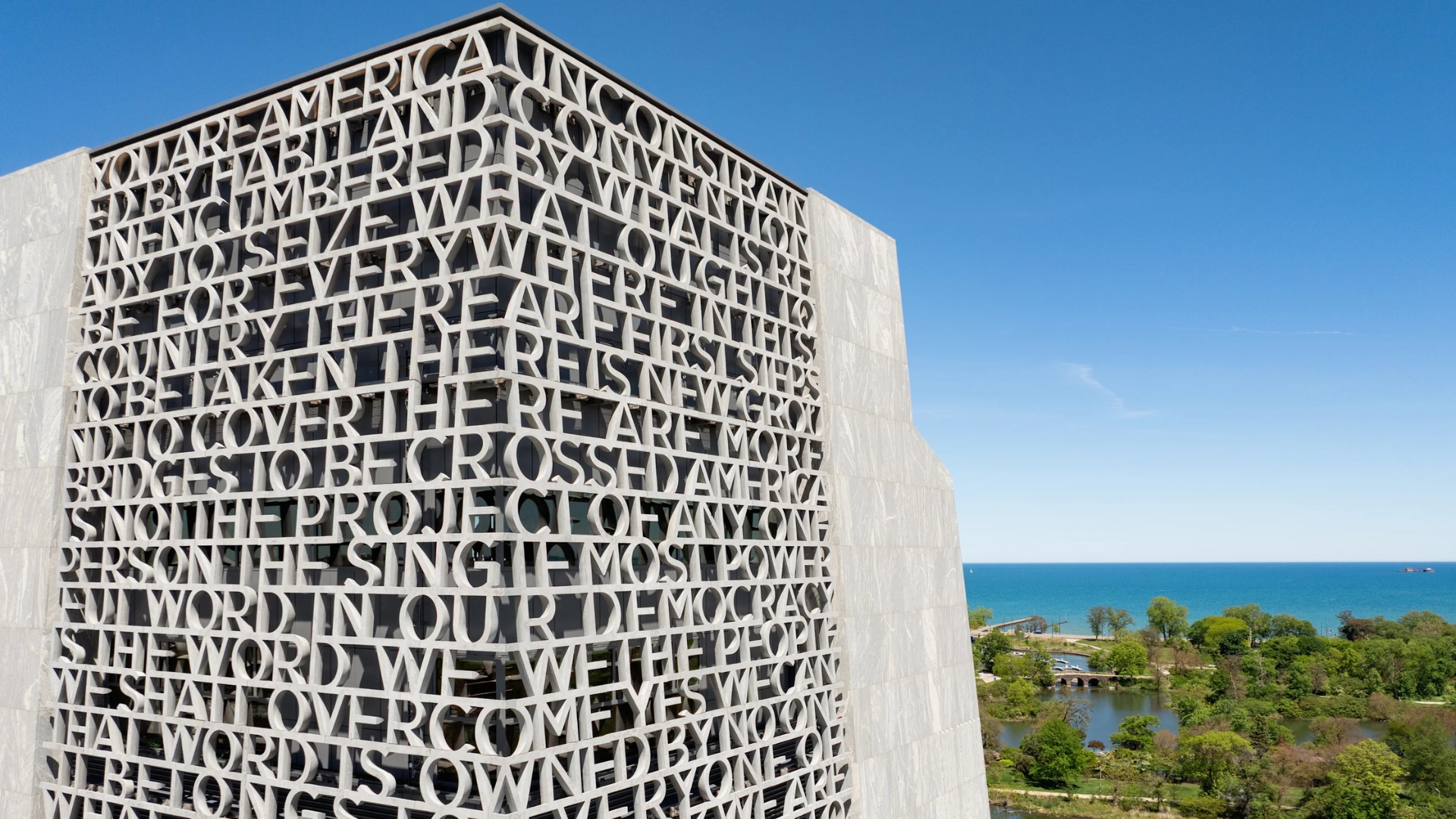
Woodlawn Chicago just landed two wins a month apart that most neighborhoods wait a decade to see once. On June 19th, the Obama Presidential Center opened its doors in Jackson Park, drawing thousands past a building with Obama’s own words carved into the stone. A few weeks later, City Council approved the zoning for Woodlawn Central‘s first phase, clearing it to break ground.
Two things this neighborhood organized for over a decade, landing one month apart. That’s not a milestone. That’s a test.
Here’s what’s actually being tested: wanting investment and being ready for it are not the same thing. Every Black neighborhood on the South Side has wanted investment for generations. That part was never the hard one. What’s hard comes after the money shows up. Can the community direct where it goes? Can it hold onto what gets built? Does the neighborhood grow from it, or just end up hosting it?
That’s what development-ready actually means. Understanding an opportunity, shaping it, receiving it, and sustaining it long after the ribbon cutting is over.
Woodlawn isn’t starting this test from zero.
Why Having the Pieces Isn’t the Same as Having a System
Two lazy takes on neighborhoods like Woodlawn keep showing up, and neither one holds up. Either the neighborhood gets written off as having nothing; no institutions, no plan, no real capacity. Or it gets treated like it already has everything figured out because a few high-profile projects landed. Both miss what’s actually going on.
Woodlawn already has real components of readiness in place:
- Organizations built to carry responsibility
- A policy framework won through years of resident organizing
- Data on its own housing conditions, collected block by block
- Relationships between residents and institutions built over years, not months
- Real capital now moving through the neighborhood
Here’s the catch: having those components isn’t the same as having a working system. A plan sitting next to an organization sitting next to a policy doesn’t add up to readiness just because all three happen to exist in the same zip code. Readiness only shows up when those pieces get deliberately connected, maintained, and pointed in the same direction on purpose. Skip that work, and what you’ve got isn’t a system. It’s just a collection of things that happen to sit next to each other.
That connecting work is specific. Here’s what it actually takes.
How Southside Chicago Communities Learn What They’re Working With
You can’t negotiate from strength if you don’t know what you’re actually bringing to the table. Neighborhoods that skip this step get handed someone else’s definition of their own worth, and that definition is almost always smaller and more convenient for whoever’s writing it.
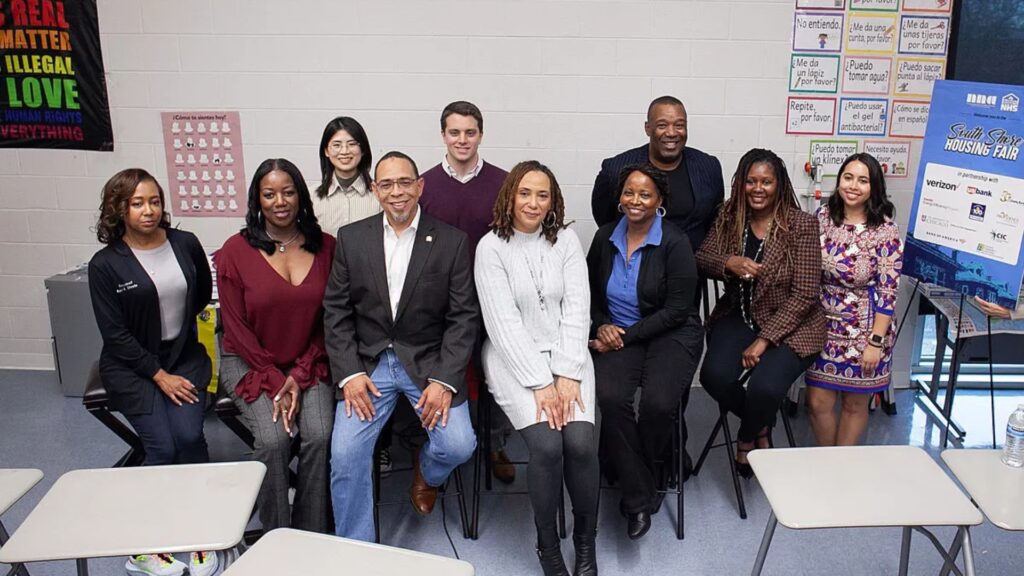
This is where the South Side Housing Data Initiative (SSHDI) comes in. It’s a University of Chicago Office of Civic Engagement collaboration with partner organizations across Woodlawn, Washington Park, and South Shore, and instead of relying on outside estimates, it sent residents out block by block to document actual housing conditions themselves.
That distinction matters more than it sounds like it should. Walking into a negotiation with your own numbers is a completely different position than walking in and having to accept whoever’s numbers show up first. One means you’re setting the terms of the conversation. The other means someone else already has.
For Southside Chicago communities specifically, this kind of groundwork rarely gets the credit it deserves, because it doesn’t come with a ribbon cutting or a press conference. But it’s the foundation everything else in this list depends on. You can’t shape a deal, hold institutions accountable, or organize residents around specifics if nobody in the room actually knows the real conditions on the ground.
How Woodlawn Set Its Own Terms Before Developers Arrived
A community that hasn’t defined its own priorities gets handed someone else’s. That’s just how it works. Developers move on their own timeline, and if a neighborhood says nothing, it ends up reacting to decisions someone else already made without it.
Woodlawn said something first.
Since 2021, the alderman’s office has sponsored community engagement sessions for Woodlawn Central, with more than 120 residents showing up to the most recent round. That input didn’t just get logged and filed away somewhere. It got written directly into the deal:
- A 20% affordable housing requirement, locked into the development agreement with the city
- Priority access for Black-owned and local businesses over national chains
- Units built for the people already living here: one, two, and three-bedroom homes now, with a senior building and multigenerational housing coming in later phases
Any developer can bolt amenities onto a project after the fact to make it look community-friendly once people start asking questions. Woodlawn didn’t wait around for that. The terms were set before a single shovel hit the ground.
What Institutions Are Keeping Woodlawn Chicago’s Development on Track?
An agreement that only lives in one meeting doesn’t survive that meeting ending. It needs an institution built to carry it forward past any single person, election, or change in city leadership. Woodlawn has real ones.
The city reconvened the Woodlawn Working Group in 2026 as a structured advisory body specifically to check how the 2020 housing ordinance is holding up against current conditions. That check turned out to matter. Reporting from Block Club Chicago and the Illinois Answers Project earlier this year found that of the seven programs built into the 2020 ordinance, three never got off the ground, and only one development has been completed on the 52 city-owned lots set aside for affordable housing in five years. The Working Group exists because of gaps like that, not in spite of them. A legal win on paper and a working program on the ground are two different things, and Woodlawn’s own oversight process is now doing the work of closing that gap instead of pretending it isn’t there.
That’s what a real institution does. It doesn’t just win the fight once and move on. It stays in the room long enough to notice when something isn’t working, and it keeps pushing until it does.
The Apostolic Church of God’s Role in Woodlawn’s Development
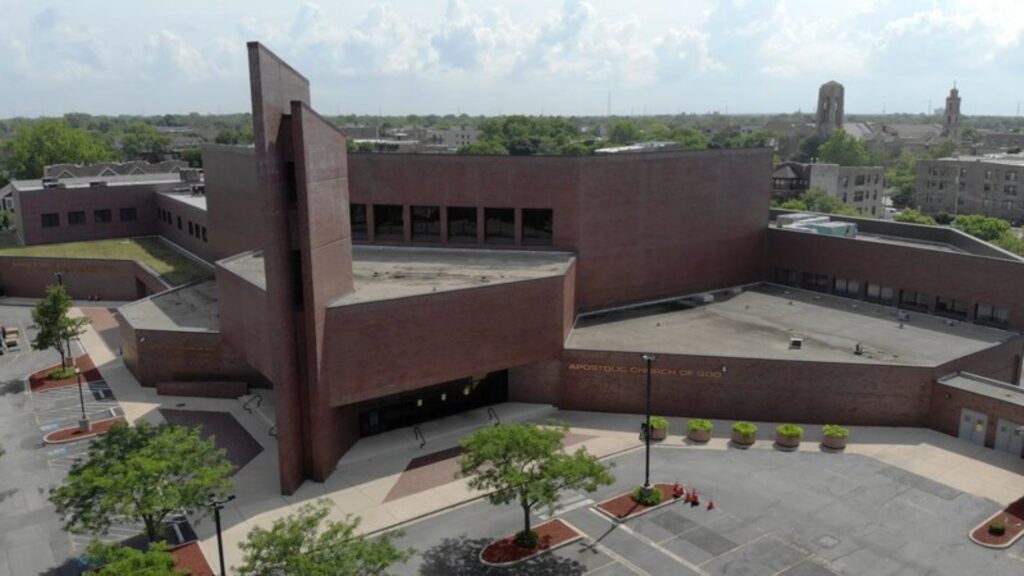
On the development side, ACOG Ventures was created specifically to execute and manage Woodlawn Central. Behind it, the Apostolic Church of God has owned this land for over five decades and has committed to never selling it, keeping the project in permanent community control.
None of this happened overnight, or even over a few years. ACOG has spent 93 years opening its doors, building fellowship, and staying in the fight for this neighborhood long before anyone was talking about zoning approvals or development agreements. The late Bishop Arthur M. Brazier led that fight for decades as a community activist, and the leadership that came after him kept building on it instead of walking away. That’s what turns a congregation into an institution capable of owning land, backing a development, and staying planted through all of it: not one moment of investment, but a pattern held across generations.
An institution only matters if it has real authority in the room where decisions get made, not just a seat at the table after the decisions are already final.
Why Resident Organizing Has to Shape Decisions, Not Just React to Them
There’s a real difference between a community that gets invited into the room and a community that actually has something to bring into it. Being asked for an opinion is not the same as having the data, the expertise, or the standing to shape what actually gets built.
Woodlawn’s organizing history already proves residents show up when it counts. Years of sustained pressure produced the 2020 housing ordinance, a legal framework with real provisions behind it: affordability requirements, funding commitments, and a right of first refusal for renters facing displacement. Whatever gaps have shown up in how that ordinance got carried out since, and we covered those honestly in the last section, the organizing itself is not in question. Residents fought for something specific and won it on paper. That’s proven.
But there’s a harder proof still owed, and it’s not about whether residents will organize around a decision after it’s already made. They’ve shown that repeatedly. The real test is whether they can shape the decision itself while it’s still being made, before the terms are locked and the only options left are to accept or object.
That’s a different kind of organizing than winning an ordinance. It means being in the room early enough to set the agenda, not just react to one someone else already wrote.
What Dudley Street’s Community Land Trust Teaches Woodlawn Chicago
None of the first four conditions matter much on their own. Assets, priorities, institutions, and resident expertise all have to move in the same direction, or they end up canceling each other out instead of building toward anything.
Dudley Street in Boston shows what that actually looks like sustained over decades. Residents started organizing there in 1984. By 1987, they had a full revitalization plan built by the people who actually lived in the neighborhood. In 1989, the city granted their land trust the power of eminent domain, the only time that’s happened for a community-run group anywhere in the country.
That trust still runs today, holding over 200 units of permanent affordable housing on land the community controls directly, not a developer, not the city. The plan, the organization, and the legal authority moved together because they were built to move together from the start.
Woodlawn Chicago’s clearest sign of alignment right now is timing. The Obama Presidential Center opened and Woodlawn Central‘s zoning got approved a month apart. That’s not something the neighborhood engineered on its own, but it’s not just a coincidence either. Years of organizing, data collection, and institution-building put Woodlawn in position to actually have standing when both moments landed at once, instead of scrambling to catch up after the fact.
Alignment isn’t a milestone you hit once and move past. It is multiple institutions, all pointed the same direction, checked constantly against a neighborhood that keeps changing underneath them.
Frequently Asked Questions
What does it mean for a community to be “development-ready”?
A development-ready community can understand an opportunity, shape its terms, receive the investment, and sustain what gets built long after it opens. Having assets, institutions, or capital present in a neighborhood isn’t enough on its own, those pieces have to work together as one connected system.
What is a community land trust?
A community land trust is a nonprofit structure where land is owned collectively and permanently by the community, rather than by a private developer, keeping housing built on it affordable over the long term. Dudley Street Neighborhood Initiative in Boston is one of the best-known examples, holding over 200 units of permanent affordable housing through its land trust today.
How did Woodlawn Chicago’s zoning get approved?
City Council approved zoning for Woodlawn Central’s first phase in the weeks following the Obama Presidential Center’s June 2026 opening, clearing the project to break ground. The approval followed years of community engagement sessions, sponsored by the alderman’s office since 2021, that shaped the terms of the development agreement itself.
What role does the Apostolic Church of God play in Woodlawn Central?
The Apostolic Church of God has owned the land Woodlawn Central is being built on for over five decades and has committed to never selling it, keeping the project under permanent community control. ACOG Ventures, the church’s development arm, was created specifically to execute and manage the project.
What can other South Side neighborhoods learn from Woodlawn’s approach?
The core lesson is that organizing, data, institutions, and resident priorities have to be deliberately connected and maintained, not just present at the same time. A neighborhood can have every individual piece in place and still lose the opportunity if those pieces aren’t actively working toward the same outcome.
What’s Next for Woodlawn Chicago
Woodlawn already has real components of every condition on this list, and that’s not common. A neighborhood this size rarely walks into a moment like this one already holding an asset map, a legally binding set of priorities, real institutions, and a decade of organizing behind it.
But having the pieces isn’t the same as running them as one system. That’s the actual work now, and it’s not finished just because two big wins landed a month apart.
Dudley Street proved what it takes: decades of pointing every piece in the same direction on purpose, checked and adjusted the whole way through. Woodlawn has the pieces to do the same. What happens next depends on whether they get connected on purpose, or left to sit next to each other and hope that’s enough.
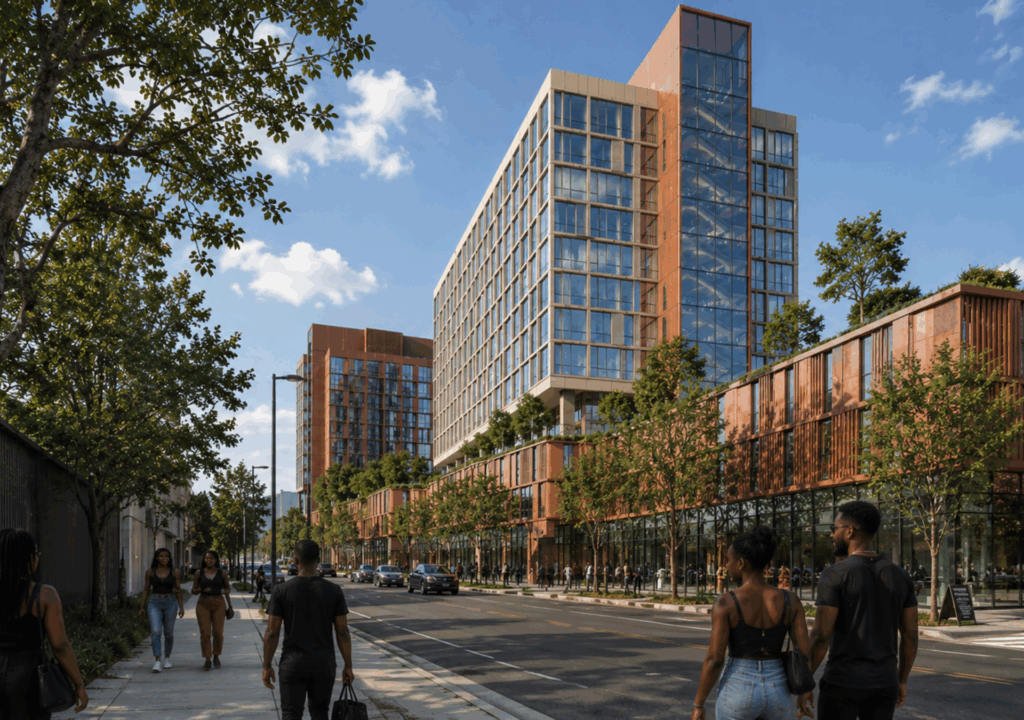
This is where Woodlawn Central fits into that work, not as a finished answer, but as one more piece being built to move with the rest instead of apart from it. Housing, jobs, community ownership, and institutional backing, all under one plan, so the alignment isn’t something anyone has to ask for later.
Rooted. Reclaimed. Ours.
Explore the latest news, community highlights, development updates, and impactful stories shaping the future of Woodlawn Central and Chicago’s South Side.

Woodlawn's News & Announcements

connect
South Side Soundtrack
Our Community ● Our Community ● Our Community ● Our Community ● Our Community ● Our Community ● Our Community ● Our Community ● Our Community ●


